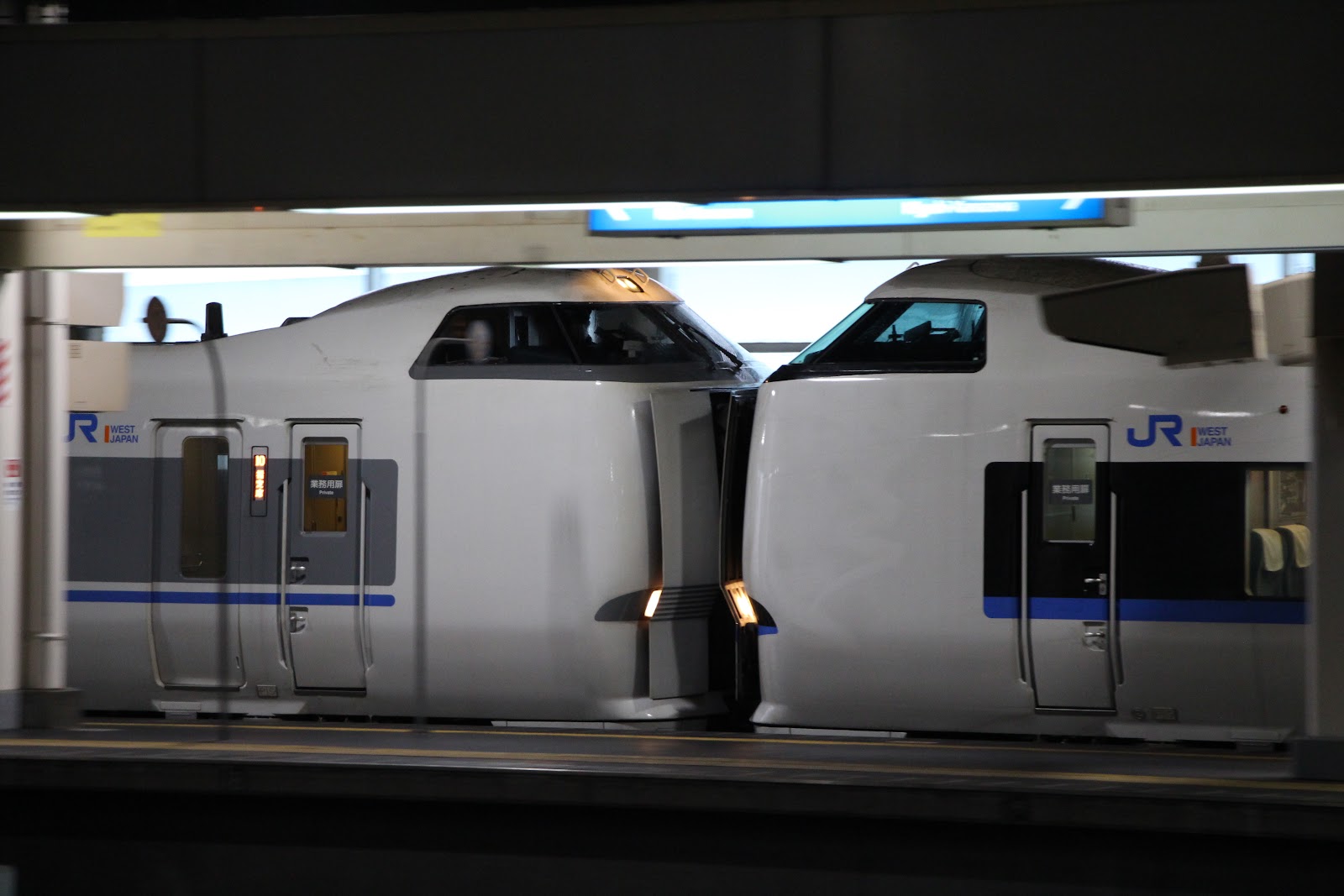
Japan is well known for one of the most advanced and reliable railway technologies. High-speed train "Shinkansen", crazy punctuality of the system, and more to be listed...
But how about present day; are Japanese trains still at top tier? Are we hearing more and more rail technologies from another country ? (not to be mentioned)
Is Japan's rail technology fading out of spotlight?
But every answer has a reason behind. Today, I would like to discuss about current status of Japan's rail technology, including the current situation of Japan itself...
"FASTEST" is not always the answer.
Shinkansen, the world's first high-speed train, rolled out in 1964 just 10 days prior to the 1964 Tokyo Olympics. The operating speed was initially 210 km/h and gradually increased over time. Today, Some countries HST operates up to 350 km/h, while Shinkansen only tops up 320 km/h. Some Shinkansen lines are only limited between 260 and 275 km/h. In fact, The current model "N700S" of Tokaido Shinkansen can easily reach 360km/h, and the test-trains from the 1990s could fly at 420 km/h. But it never hits 350 km/h in commercial operation.
Faster train is always a challenge to engineers. With great speed, comes great responsibilities. More noise pullution, more vibration, and higher maintenance costs on both track and train.
Japanese version here 日本鉄道開業150周年を盛大に祝いたい。なぜなら200周年のときには何も無くなるだろう…(序)
Japan is famous for its advanced technology, service quality, and punctuality on railways. It's first railway opened in 14th October 1872 from Shimbashi to Yokohama, and we are now celebrating 150th Anniversary of Japanese Railways nationwide. In fact, the very first railway structures are being unearthed nearby Takanawa Gateway Station, newest station in Tokyo built in 2020.
Unfortunately, Japanese Railways are facing multiple problems and no one could imagine how Japan's railway system will look like in the next 50 years. This might be something unexpected to be heard from a country that has such advanced railway system.
First of all, I am a foreign living in Japan for 9 years, and I have already completed 4 out of 6 regional JR lines. It is fair enough to say that I have seen more realities of Japanese trains that has never been shown in guidebooks or travelling VLOGs.
These days, Japan keeps making some new high speed train lines (Shinkansen 新幹線), but at the same time, many main and local branch railway lines (Zairaisen 在来線) are dying out. This may be a result from continuously decreasing population in these years, but these sparks angriness and madness between domestic railfans.
Sassho line Shin-Totsukawa station., Abandoned 2020